
Filipino Ceramic Artists to Know and Where to Shop Their Work
Meet four names working with clay, from handmade stoneware for the table to sculptural pieces shaped by material and firing.
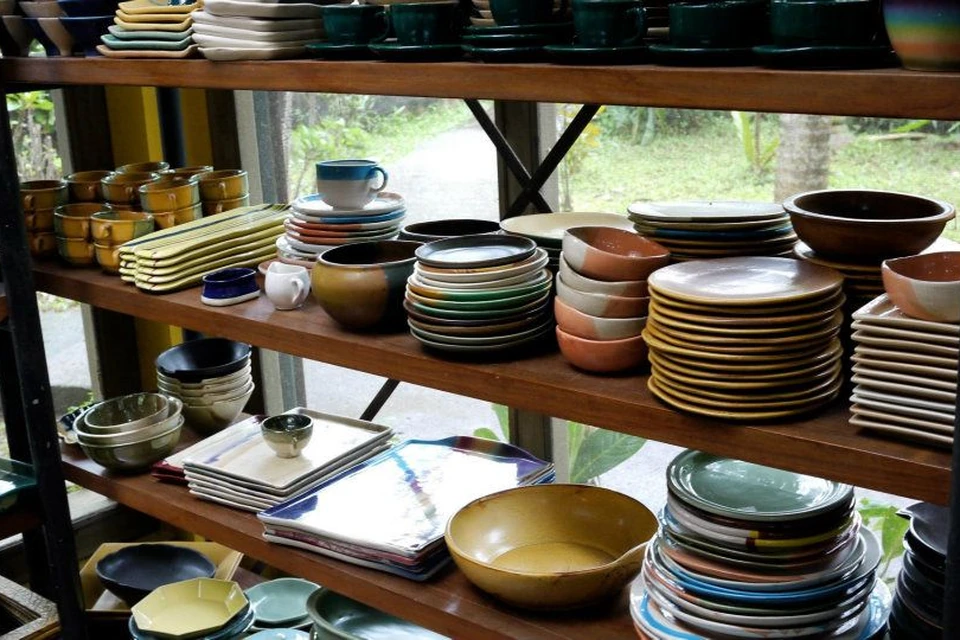
A handmade cup asks you to notice small things. The place where your thumb rests. A glaze that pools near the base. The slight difference between two bowls that seemed identical on the shelf.
Following the maker brings those details into focus. These four Filipino ceramic artists offer different routes into clay, from everyday stoneware to sculptural work and teaching. Their studios and galleries are useful places to begin looking, even if your first purchase is one small bowl.
Lanelle Abueva-Fernando
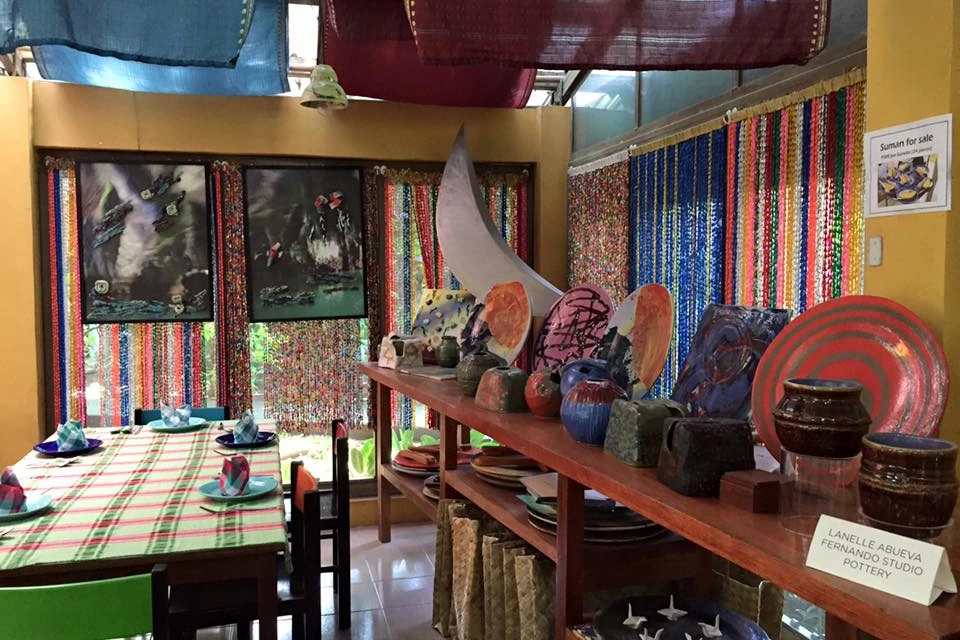
Antipolo-based Lanelle Abueva-Fernando makes handmade stoneware in the studio at the Crescent Moon compound. Her training included an apprenticeship in Hachijojima, Japan, followed by further ceramics studies in Idaho. After Mount Pinatubo’s eruption in 1991, she began using volcanic ash glaze in some of her pieces.
Her studio’s account of the work connects the objects on the shelves with that material history. The pieces invite use at the table, where a change in glaze or shape can make an everyday meal feel a little more considered.
Where to look: The ceramics store at Crescent Moon Cafe and Studio Pottery in Antipolo. Start with a bowl or serving piece you can already imagine using at home.
Eduardo “EJ” Espiritu Jr
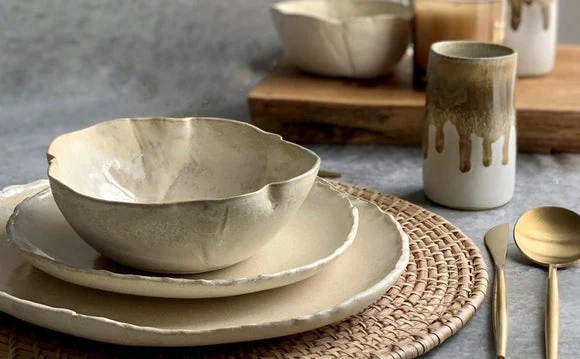
Cornerstone Pottery Farm, associated with ceramic artist EJ Espiritu, has produced handcrafted studio stoneware since 1996. Functional work is central to the practice, with a focus on pieces made to live alongside food and daily routines.
That is a useful way to approach a first purchase. Consider the depth of a bowl, the weight of a mug and how a serving dish will sit on the table. A piece that feels right in the hand has a good chance of becoming part of the regular rotation.
Where to look: Cornerstone Pottery Farm’s official shop and studio channels. Browse by how you will use the object before narrowing the choice by color.
Jon Pettyjohn
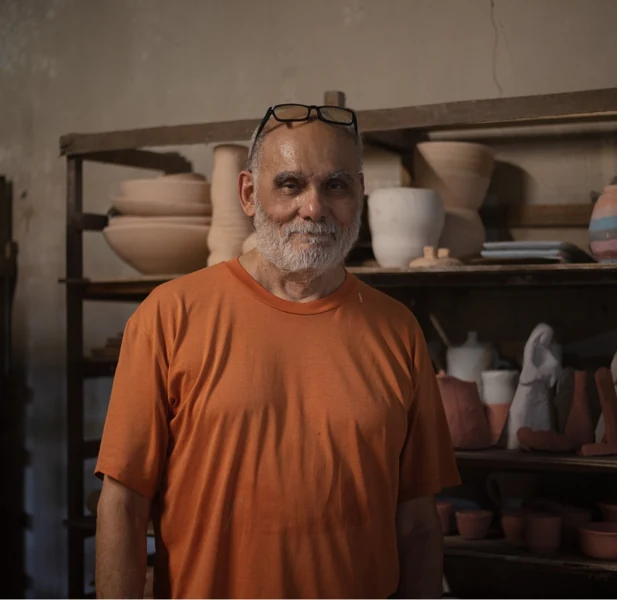
Jon Pettyjohn works across the functional and sculptural possibilities of ceramics. His practice explores local natural materials, including clay, stones and ashes. Wood-firing in anagama kilns is another important part of his work.
The firing process helps explain why a surface can reward a closer look. Color, texture and form become part of the same object. Instead of searching for a perfectly matching pair, look at how an individual vessel holds your attention from different angles.
Where to look: Silverlens’ artist page and gallery, where you can explore his exhibition history and inquire about works. It is a useful route for someone considering a ceramic piece as art.
Rita Badilla-Gudiño
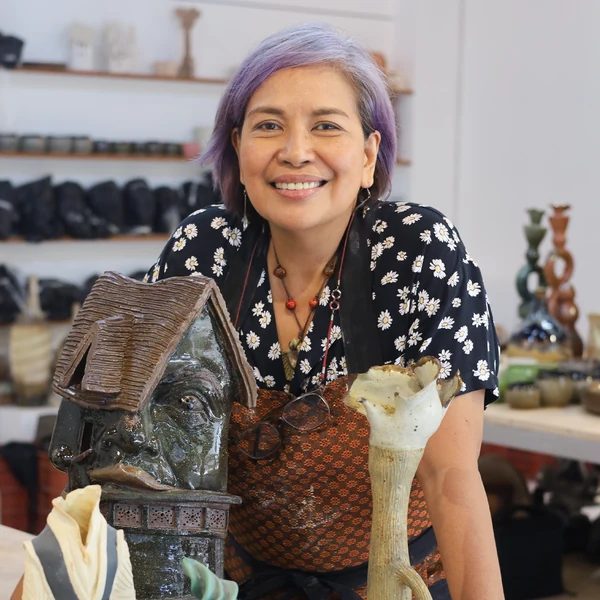
Rita Badilla-Gudiño’s practice is closely connected with education. A co-founder and program director of Tahanan Pottery, she helped establish the ceramics studio at the University of the Philippines College of Fine Arts. Her work includes LUAL Kiln Art.
At Tahanan, that experience extends into a wider community of makers, classes and studio production. Looking at the work alongside the processes behind it can change what you notice in a finished object, from the decisions involved in its shape to the care needed in firing.
Where to look: Tahanan for its studio tableware and exhibitions featuring ceramic artists. Look at the maker’s credit on individual works as you browse the collective’s output.
Buy for the way you live
Ask how the particular piece should be used and cared for. Choose a functional glaze and form appropriate to your intended use, or give a sculptural work space where its surface and silhouette can be appreciated. You can begin a collection with one object you keep reaching for.