
Dynamic Duo: RJ and AJ Esponga Won't Build the Same Gym Twice
AJ came to the gym industry for free workouts. RJ came from a career at sea. Together, they are building New Breed of Fitness while learning what expansion demands.
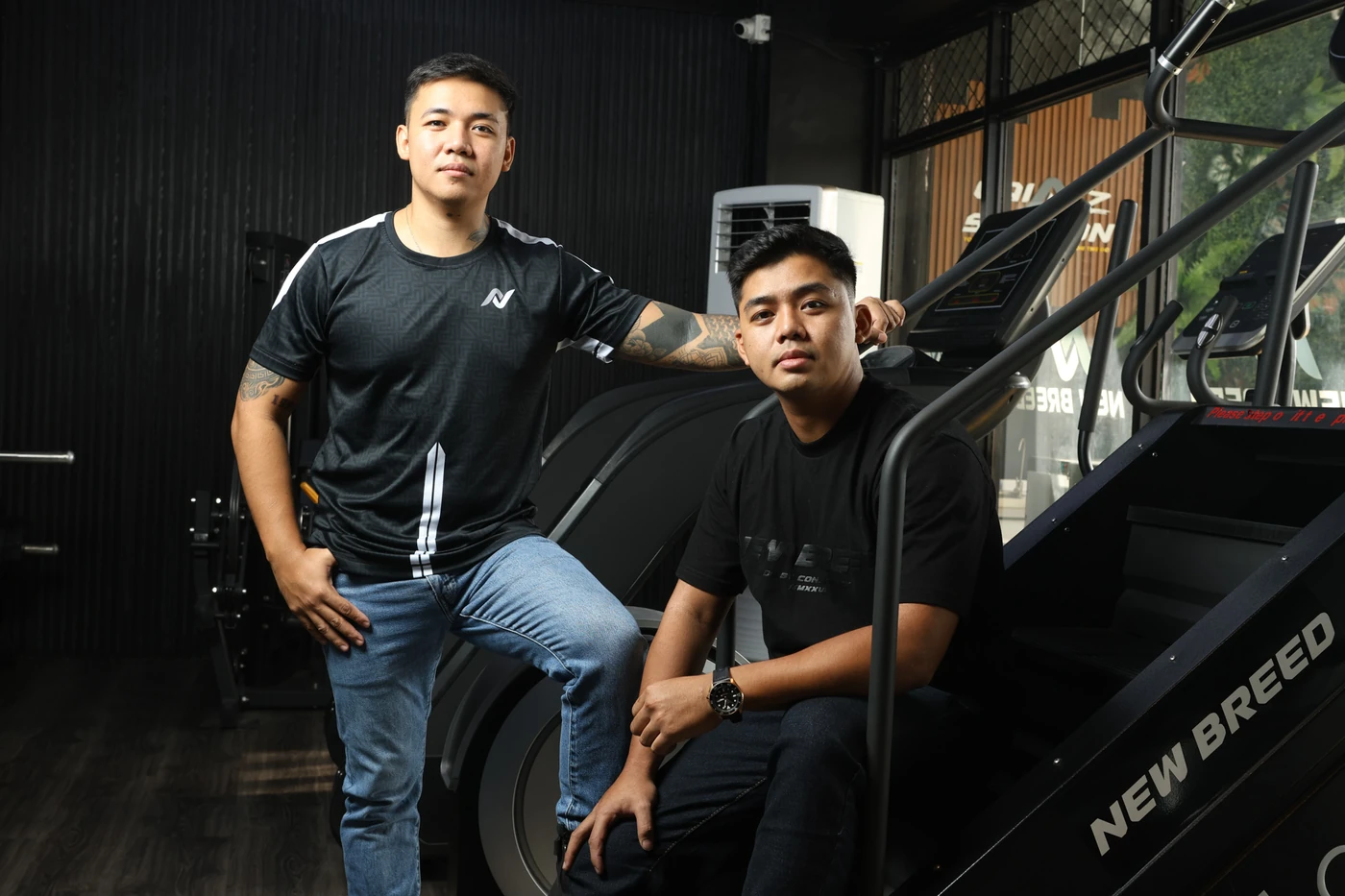
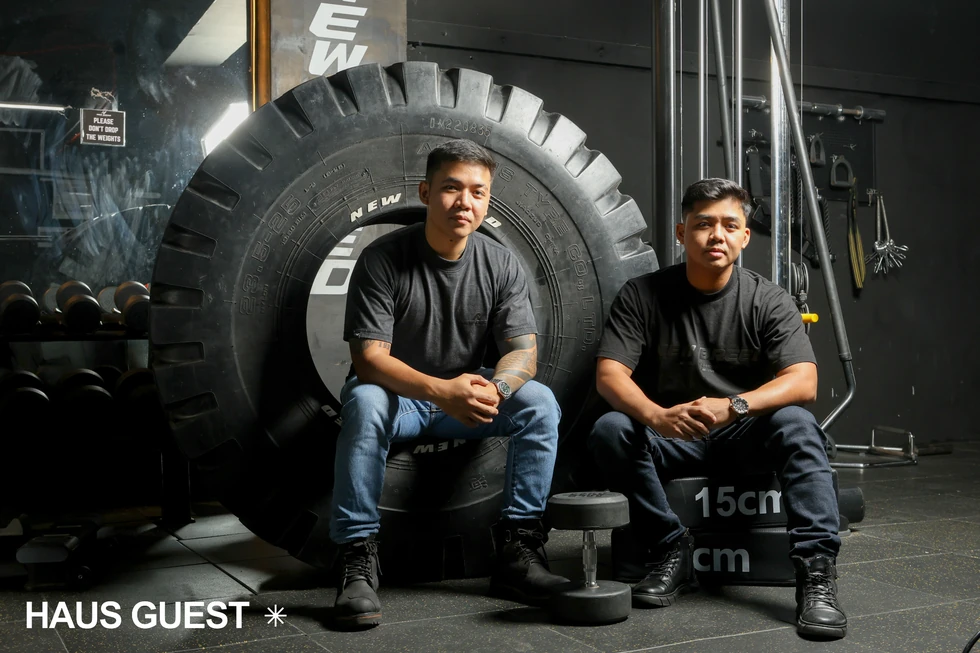
AJ Esponga took his first gym job for the free workouts. His older brother, RJ, spent two contracts at sea baking cakes and pastries, and had begun to wonder whether he wanted to keep doing it. Neither set out to run a fitness business together, but their careers eventually met in the same place.
Today they are behind New Breed of Fitness, which operates on Felix Avenue in Cainta, at Panorama, in Muntinlupa, and at U-Belt Manila in Sampaloc. The first location, however, had been intended for a different gym franchise. The brothers say they had paid for a facility that was never completed, and AJ's former senior role with that company made winning back prospective members' trust a challenge.
Their next idea is to make the branches less alike, not more. The U-Belt gym has an octagon, billiards, and KTV for its largely student market; at Felix Avenue, the brothers are looking for space to add more activities. There are more projects on the drawing board, although plans and opening dates are still just that. For Dynamic Duo, we spoke with RJ and AJ about the work behind the expansion, how they make decisions as brothers, and what they mean when they say New Breed is always changing.
Before New Breed, what were you both doing?
AJ: I actually wanted to become a police officer. I had finished my Business Administration degree and was waiting to take the civil service or NAPOLCOM exam. While I was waiting, I applied at a gym because I figured I'd get to work out for free. I thought I'd be cleaning, putting equipment back, that sort of thing. Instead, they assigned me to a branch that hadn't even opened yet and told me to help sell memberships. I knew nothing about sales. My manager got COVID, so I was handing out flyers and telling people to call the number if they had questions. After my shift I'd go to an operating branch to work out, which was the whole reason I'd applied. I started watching how the coaches spoke to clients and sold their services. I learned from that, tried it myself, got into personal training, and eventually moved into management. Before that company closed, I was overseeing around 30 branches.
RJ: I was a baker on a ship. I did two contracts, making pastries, cakes, desserts. By the second one, I was looking at the older people in the department and asking myself if I wanted their life. They earned money, but they were always at sea. You'd come home and your family had grown up while you were gone. About two months before I was due back, I called AJ and asked if he knew a job where the harder I worked, the more I could earn. He was already in the gym business, so he suggested I try it. I started in administration, even though I barely knew how to use the computer programs. I had to learn that part, too.
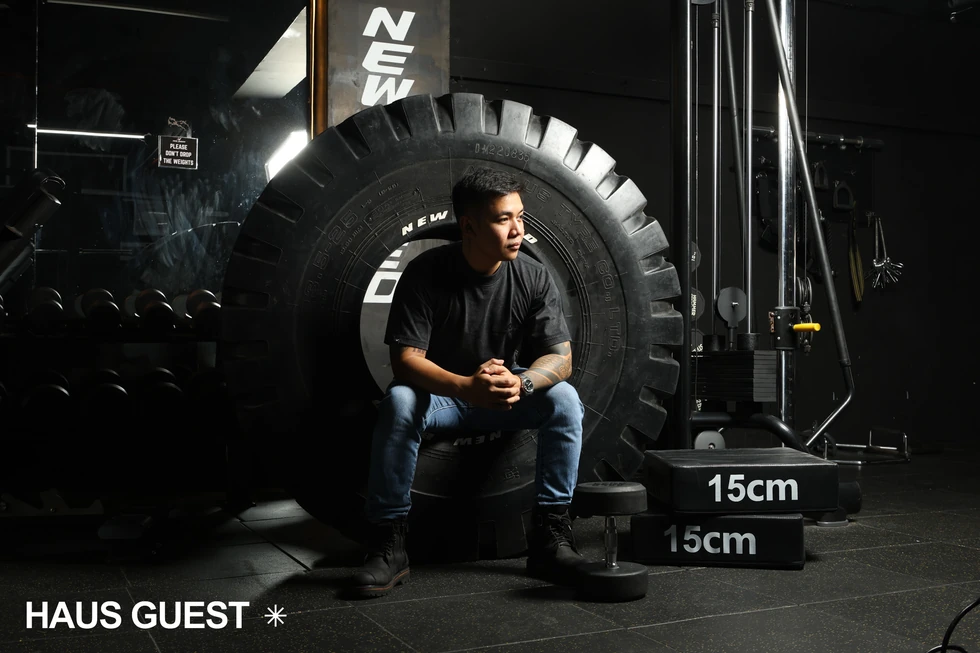
RJ, what surprised you most about AJ when you came home?
RJ: We'd grown up together, so I knew him as my younger brother. Then I came back from the ship and he'd bought a big bike and a car. I asked him, "Illegal ba 'yan?" I really didn't know he was doing that well in sales. He was consistently one of the company's top performers. I'm the type who wants to see results before I listen. "Resulta muna bago ako makinig." He showed me the results, so I listened. When I joined, he helped teach me how to talk to clients and close a sale. I was shy about speaking to people, especially professionals. I learned by listening to him and to other people who knew the work. In that sense, the younger brother was teaching the older one.
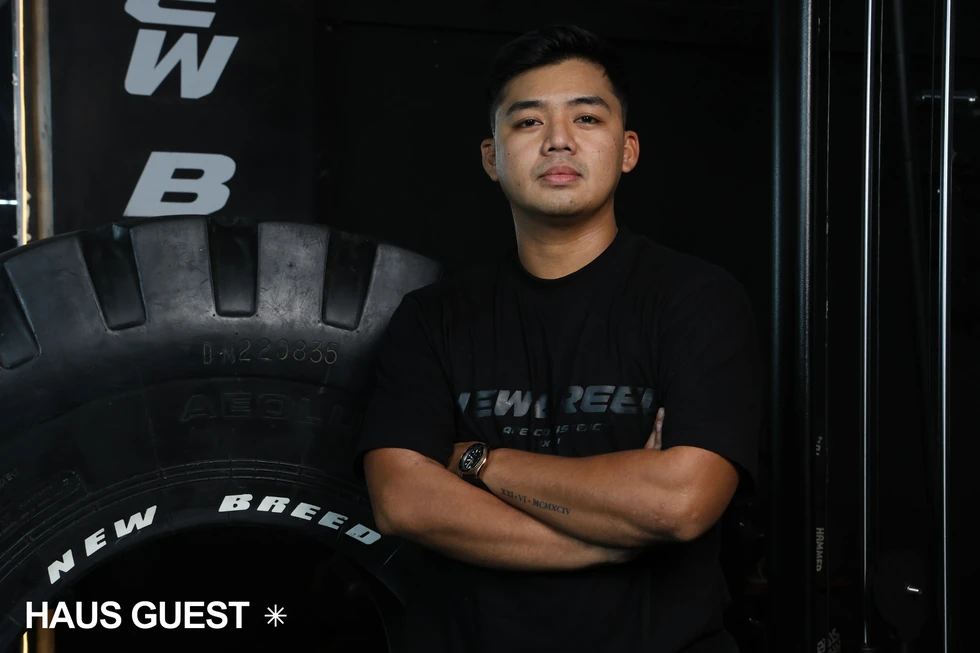
The first franchise investment didn't work out. What happened when you decided to continue on your own?
AJ: The Felix Avenue location was supposed to be one of our franchise gyms. We'd paid for it, but construction hadn't been completed and there was no equipment. When the business didn't push through, we decided to build the gym ourselves, the way we wanted it. The difficult part was the market's trust. I'd been a Fitness Director at the previous company, so some people assumed New Breed was still connected to the same business. The location had already spent months in pre-selling without opening. We understood why people had questions. But we also knew the location had attracted interest, and we wanted to make it work. Other investors from the former franchise were in a similar position, and some became partners in the other branches.
You've divided the work between expansion and operations. How does that play out?
AJ: I mostly handle expansion, business development, and training people, including how they deal with clients. RJ handles operations. He sees things on the ground that I don't always see, and I have experience from the previous gyms that can still be useful. Not all of it applies anymore, though. That's why we talk through ideas. He'll suggest something, I'll listen, then we'll look at what could happen if we do it. "Walang matanda, walang bata sa amin pagdating sa ganoon." It doesn't matter who's older. What matters is whether the idea makes sense.
RJ: I'm the one making sure the plans get done. That covers daily operations, staff, marketing, follow-ups, social media, promotions, even cleanliness. AJ and I discuss something and I bring it to the team, assign the work, then ask what they've actually done. I don't expect results to appear overnight, but I do expect people to show me they did their part. Between us, I'm the stricter one. I've also had to study things like social media ads because marketing changes, and I need to understand what I'm asking the team to do.
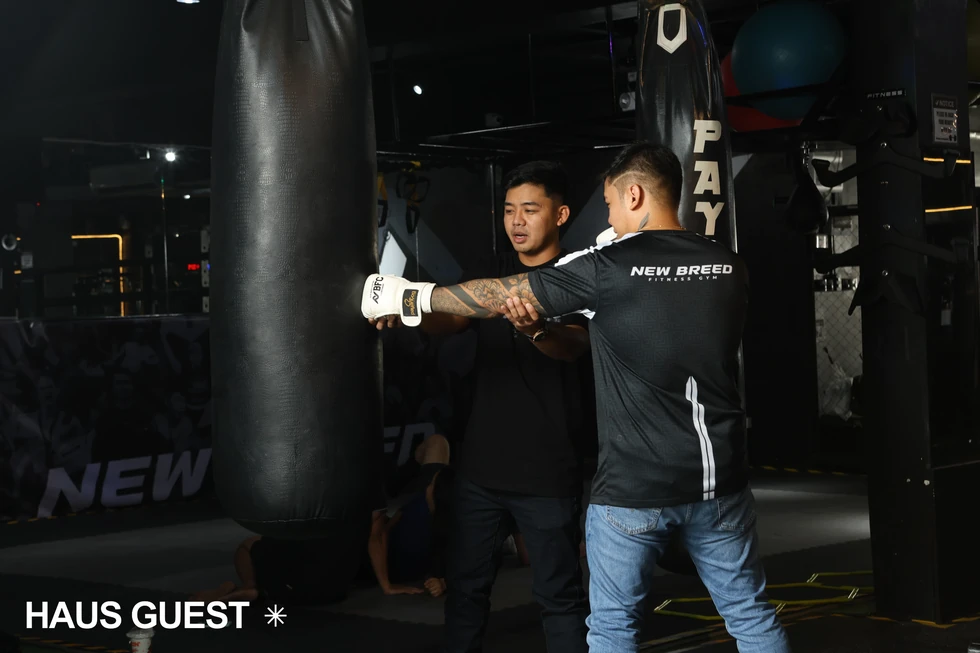
Do you ever disagree about business decisions?
AJ: Marami rin. We disagree quite a lot, but it doesn't become personal. Sometimes one of us thinks something will work now and the other is thinking about what problems it could cause later. So we ask: Is it worth it? What happens if we do this? We don't need to argue over who gets to be right. We each have experience the other doesn't have.
You use the word innovation a lot. What does it look like in an actual branch?
AJ: I don't want every New Breed location to be identical. The U-Belt branch has a lot of students, and they don't necessarily want to spend every vacant period working out. Some want a place to eat, play billiards, or just hang out, so there are other activities there, including KTV and an octagon. Felix is different. The space felt large when we first built it, but now I think it's small for everything we want to do. We're looking at the upper floor for basketball and HYROX-style training. You have to work with the space and the people in the area.
RJ: There are already so many commercial gyms. If we try to compete only on who has better-looking equipment, that's difficult. We've been leaning into combat sports, including MMA and jiu-jitsu, and looking at other kinds of training. At the same time, many people who come to us are beginners, not serious gym-goers. We have to think about them, too. Something new has to make sense for the members, not simply be something we can say we've added.
Does the gym keep changing even after members have signed up?
AJ: Yes. I don't want someone to join and assume that what they see on day one is all the gym will offer for their entire membership. We're still making changes at the operating branches. We listen to feedback and look at what members are asking for. Obviously, we can't put every idea into every location, but we can keep improving what works.
RJ: The idea is to make it easier for people to find the activities they want in one place. That might mean more training options or a recreational sport like pickleball. But it depends on the location. We still have to figure out how it fits.
What are you planning for the new Muntinlupa location?
AJ: It's a separate project from our existing Muntinlupa branch. We're planning something closer to a sports complex, with three pickleball courts, a recovery room, a game station, and a larger gym area. We're aiming to make it our biggest branch. The target opening is January 2027, although of course that's the plan as of now.
AJ, where did New Breed Fighting Championship come from?
AJ: I trained in calisthenics in college, then got interested in MMA because some people around me were fighters. I met Papa Coach, the founder of UGB MMA, and he took me on as a scholar. I still want to compete again myself. With New Breed Fighting Championship (NBFC), I wanted to give fighters another place to compete, especially people who have the skills but struggle to find events. We want them to be able to build fight records on platforms such as Sherdog and Tapology, which may help when they pursue opportunities with bigger organizations. We're aiming for monthly events, although the schedule changes around holidays.
What about the apparel and food businesses you're developing?
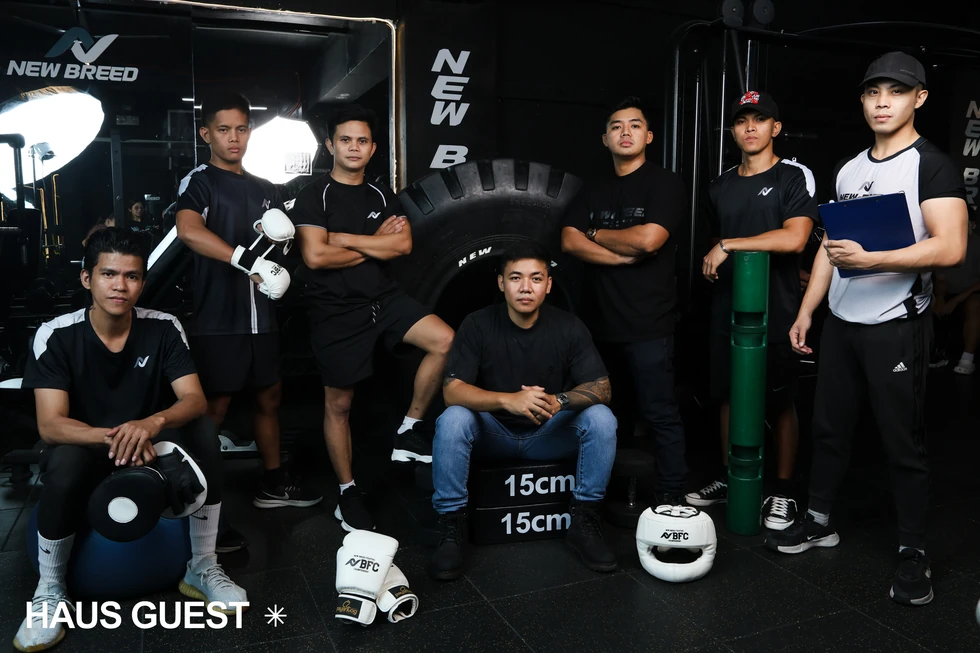
RJ: We're working on New Breed Apparel, with casual clothes, sportswear, and fight gear. We have samples of gloves, shin guards, and shirts, and we're working with Payantog Sports on some of the gear. Some of those pieces are already being used at our events, but the wider launch we're targeting is January 2027. Then there's Gainz Station, with protein shakes, fruit drinks, and food, including high-protein options. I used to be a baker and chef, so there's something of my old work in that, too.
AJ: We're paying attention to what people want when they come here. They may want a workout, but they might also want somewhere to eat or spend time afterward. That's part of how we're thinking about the gym as a place people use, rather than only a room full of equipment.
What should a first-time member feel walking into New Breed?
RJ: At home. No intimidation. That's important to me because a lot of people coming in have never been to a gym, or don't know where to start. We have coaches who do health and fitness assessments with new members and help them understand what kind of training suits their goals. I don't want someone to feel they have to know everything before they walk through the door.
AJ: The branches can have different facilities, but that part should be the same. People can be shy or self-conscious about exercising, especially if they think someone is watching them do it wrong. We want them to be comfortable enough to ask, learn, and come back.
The new courts, apparel, food offerings, and larger training spaces are plans of different sizes, not a guarantee that everything will work as intended. The brothers know that firsthand. Their first intended gym never opened under the franchise they had paid into; building a functioning business was the part that came afterward.
AJ still talks about what New Breed could add. RJ talks about the people who will have to make those additions work. It is a practical division of labor, and probably a more useful one than either brother insisting on having the last word.
Editor's Note: This interview was conducted primarily in Filipino on November 16, 2026. Responses have been translated into English, condensed, and edited for clarity and length. Selected Tagalog expressions appear as spoken. Future facilities and launches are plans described by the interviewees at the time of the interview.
About the author
Raised in Hong Kong and now based in Manila, she is a mother of two, a designer, and a writer finding her spark again. Outside work, she’s learning Muay Thai.