
5 Philippine Urban Legends and the Real Places Behind Them
A White Lady on a Quezon City road, a creature in a mall, and a dungeon story the evidence disputes. Five familiar Philippine legends, traced to real addresses.
May multo raw diyan is an unusually efficient way to make someone remember an address. Balete Drive gets a woman in white; Robinsons Galleria gets a creature behind a fitting-room door. Familiar places acquire a second identity through stories passed between relatives, classmates, and anyone who knows someone who supposedly saw something. These five Philippine urban legends lead to real locations in Metro Manila and Baguio, where the record sometimes supports a tragic history and sometimes directly contradicts the tale.
Balete Drive, Quezon City: The White Lady With Several Origin Stories
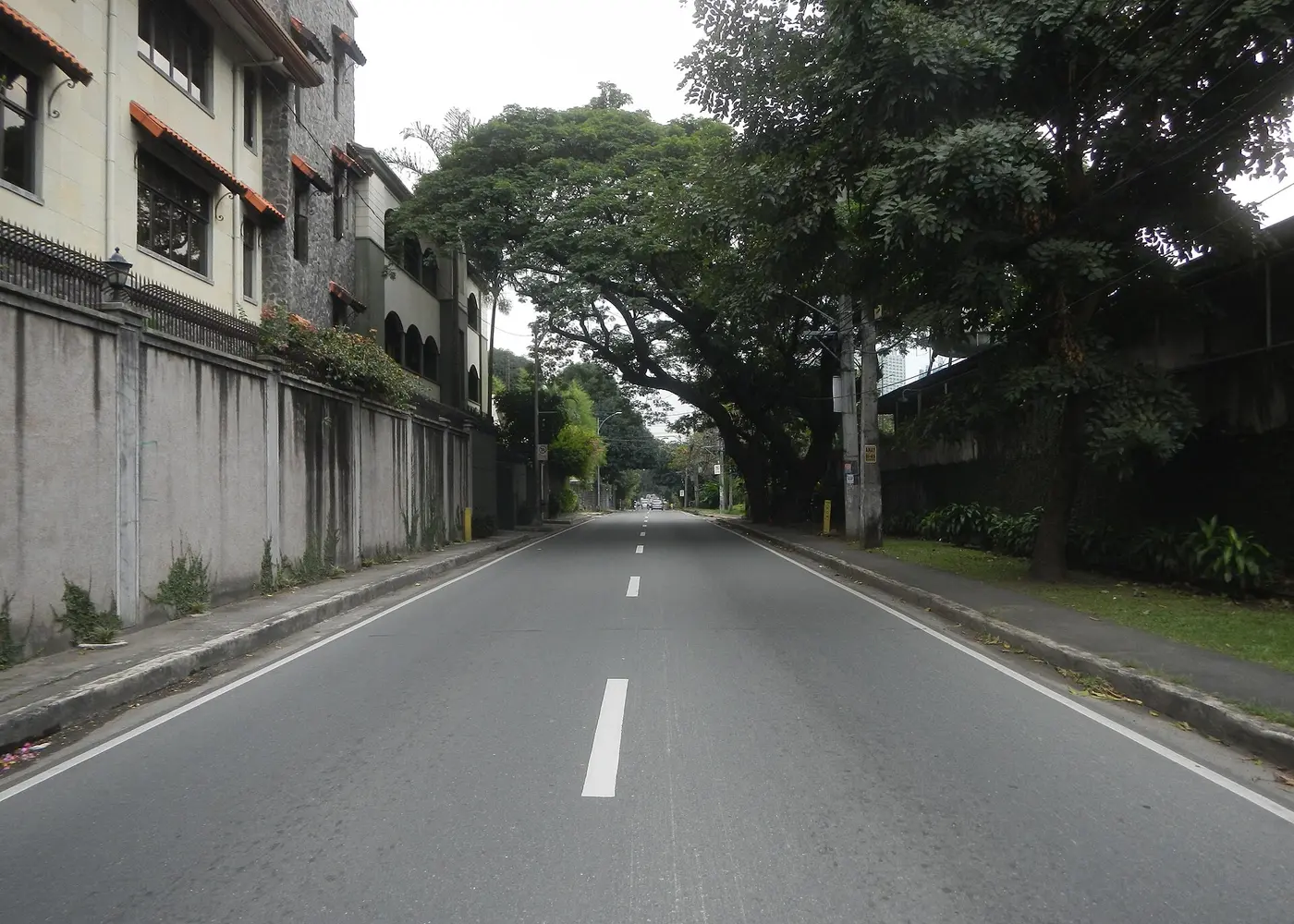
A woman flags down a passing vehicle, then vanishes. Depending on the telling, she is glimpsed beside the road or becomes a passenger who never reaches her destination. Balete Drive supplies the address for one of the country’s most recognizable White Lady stories, with taxi drivers and police officers recurring in accounts of the supposed encounters.
Even the explanation for the legend has its own competing versions. A 2021 PhilSTAR L!fe feature revisited a claim that young reporters invented the apparition during a slow news day. Other journalists interviewed for the piece questioned that account, pointing out that the supposed invention story also relied on recollection and hearsay.
That leaves the woman without a reliably established identity or a single verified origin. What can be located is the street itself, in New Manila, Quezon City. A claim that one reporter definitively invented the whole thing needs the same scrutiny as a claim that a ghost climbed into a car.
Diplomat Hotel, Baguio: The Retreat House Behind the Haunted-Hotel Reputation
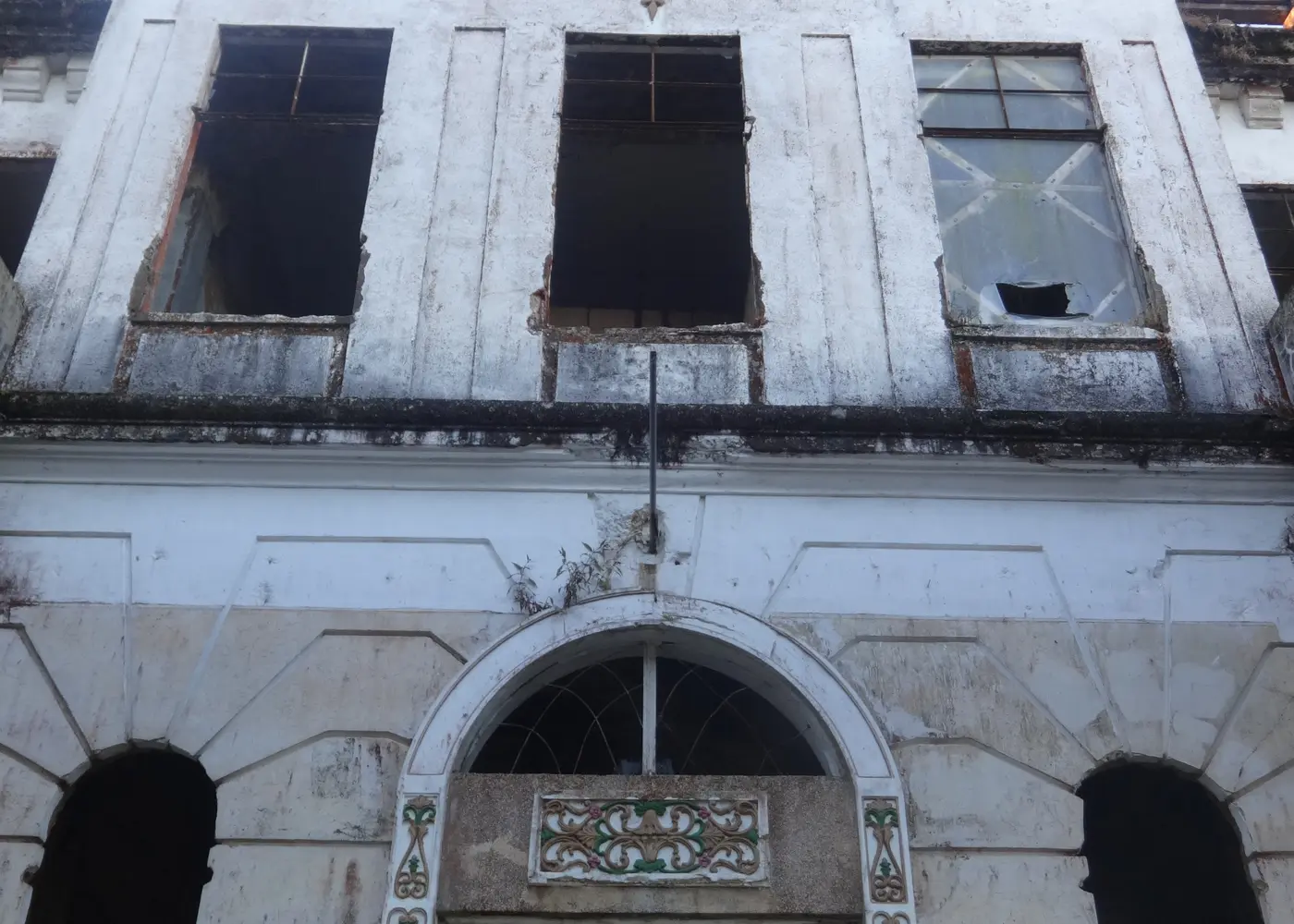
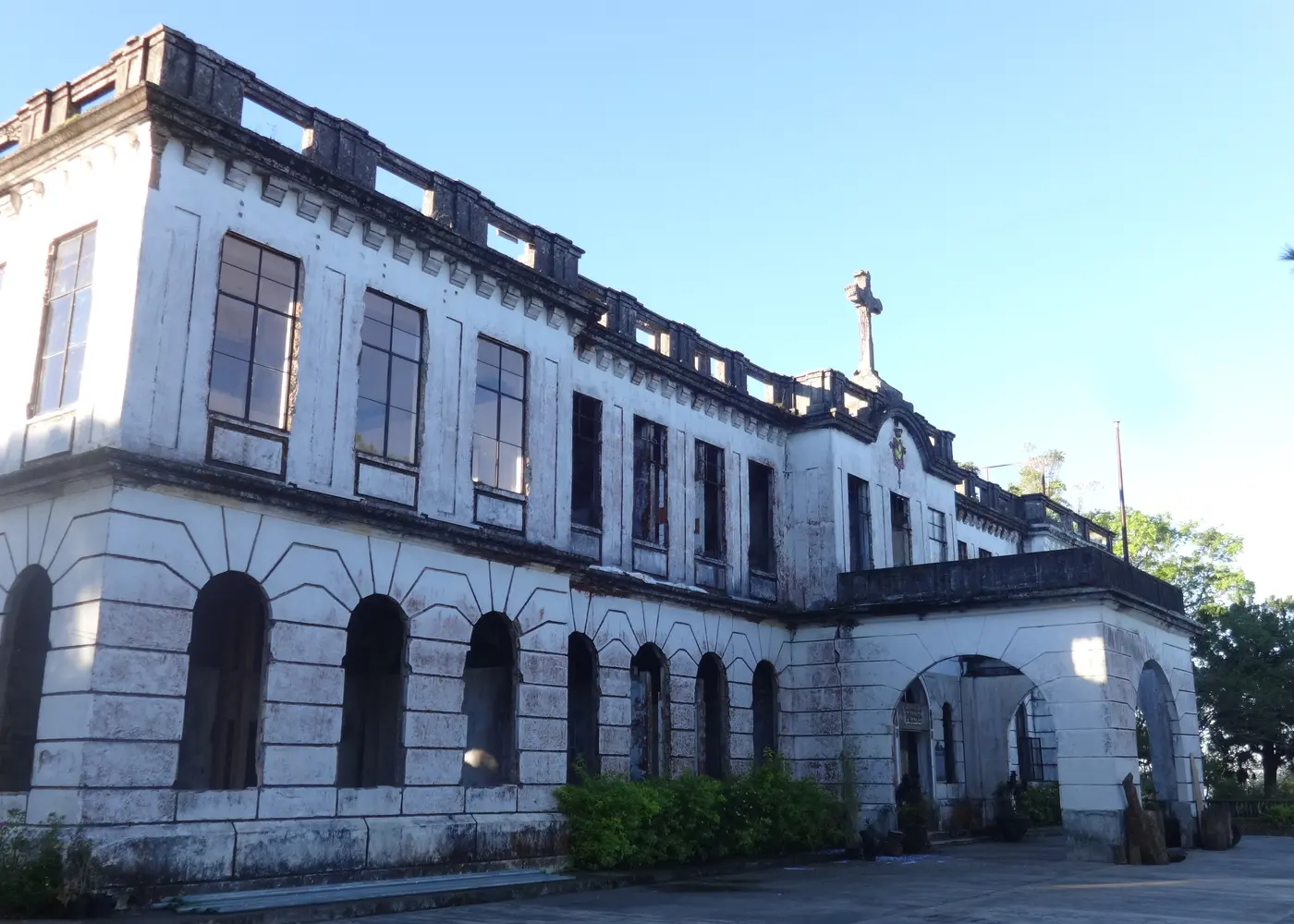
The name Diplomat Hotel tends to arrive with a ready-made cast of apparitions. Retellings include headless priests, women in white, and a child, part of the building’s long-running reputation as a haunted Baguio landmark. These figures belong to the ghost stories surrounding the property; their appearances have not been established as fact.
The historical marker offers a more precise sequence. Built between 1913 and 1915 as a Dominican vacation house, the structure was designed by Fr. Roque Ruaño. It also served as a school, sheltered families and Dominican priests during the Japanese occupation, and became a Japanese defensive position in 1945. American forces bombed it that April; repairs followed between 1945 and 1947.
Its hotel years came later, spanning 1973 to 1987. Ownership passed to Baguio City in 2005.
Those dates explain why the building can feel difficult to place in one category. The surviving shell carries the history of a religious retreat, a wartime refuge, and a hotel within the same weathered walls. The supernatural stories add another layer, but the marker provides the chronology.
Fort Santiago, Intramuros: The Rising-Tide Story the Evidence Disputes
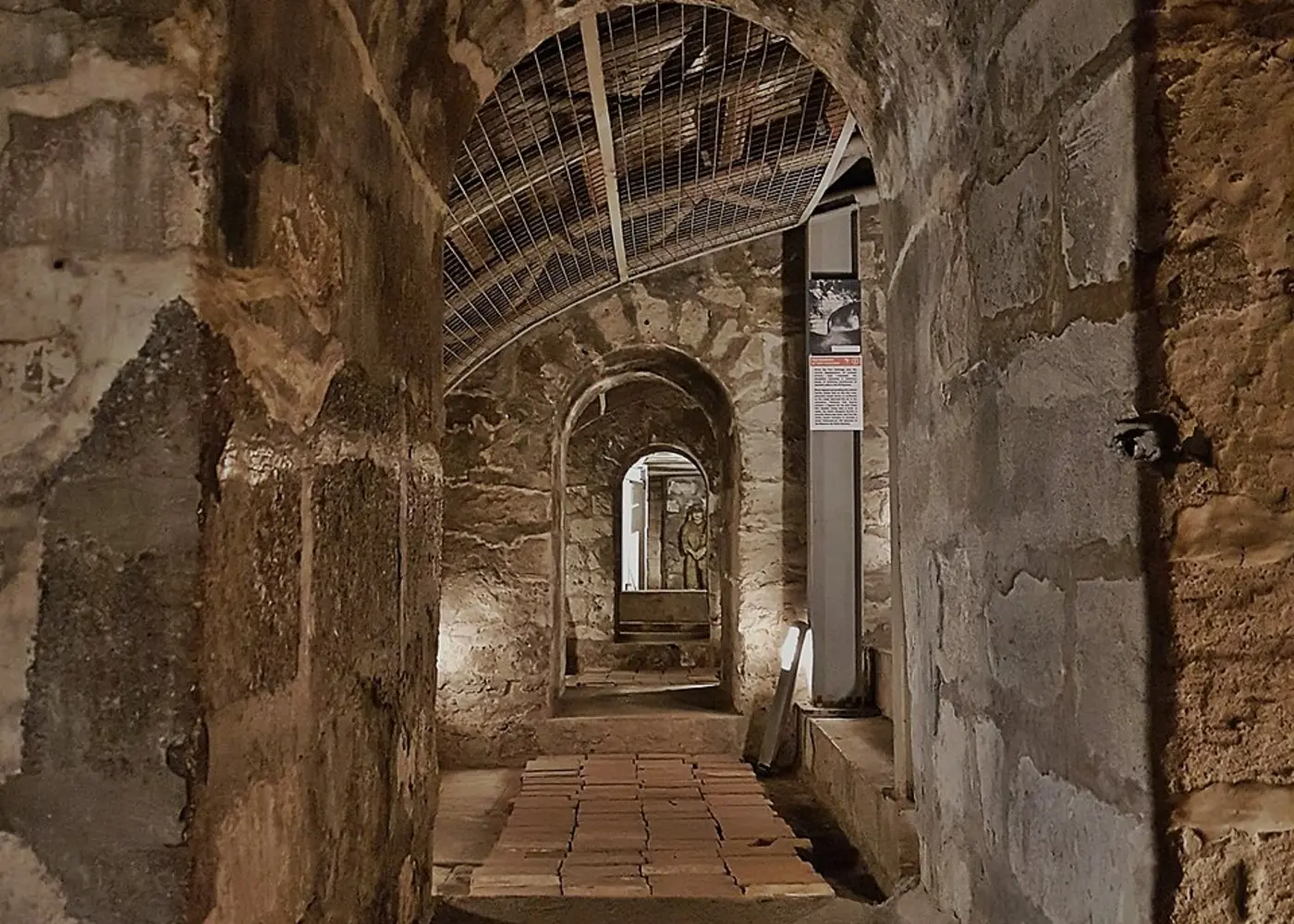
Among the stories attached to Fort Santiago is a particularly grim claim: prisoners were left in its dungeons to drown as the tide rose. The setting makes the tale easy to picture. The fort stands beside the Pasig River, and the word “dungeon” supplies much of the atmosphere before anyone enters.
Intramuros Administration directly disputes the flooding story. Its site guide states that archaeological evidence places the chambers above river level, beyond the reach of the high tides described in the legend. The rooms originally stored gunpowder before being converted into prison cells.
The documented wartime history remains harrowing. The administration records that guerrillas and civilians were imprisoned there during World War II, and that prisoners abandoned during the 1945 Battle of Manila died amid deprivation and terrible conditions. A white cross near the dungeons marks a mass grave.
Here, checking the legend leads to a different understanding of the site. The imagined mechanism of death obscures the actual conditions of imprisonment and the people commemorated there.
Manila Film Center, Pasay: A Real Disaster With a Disputed Retelling
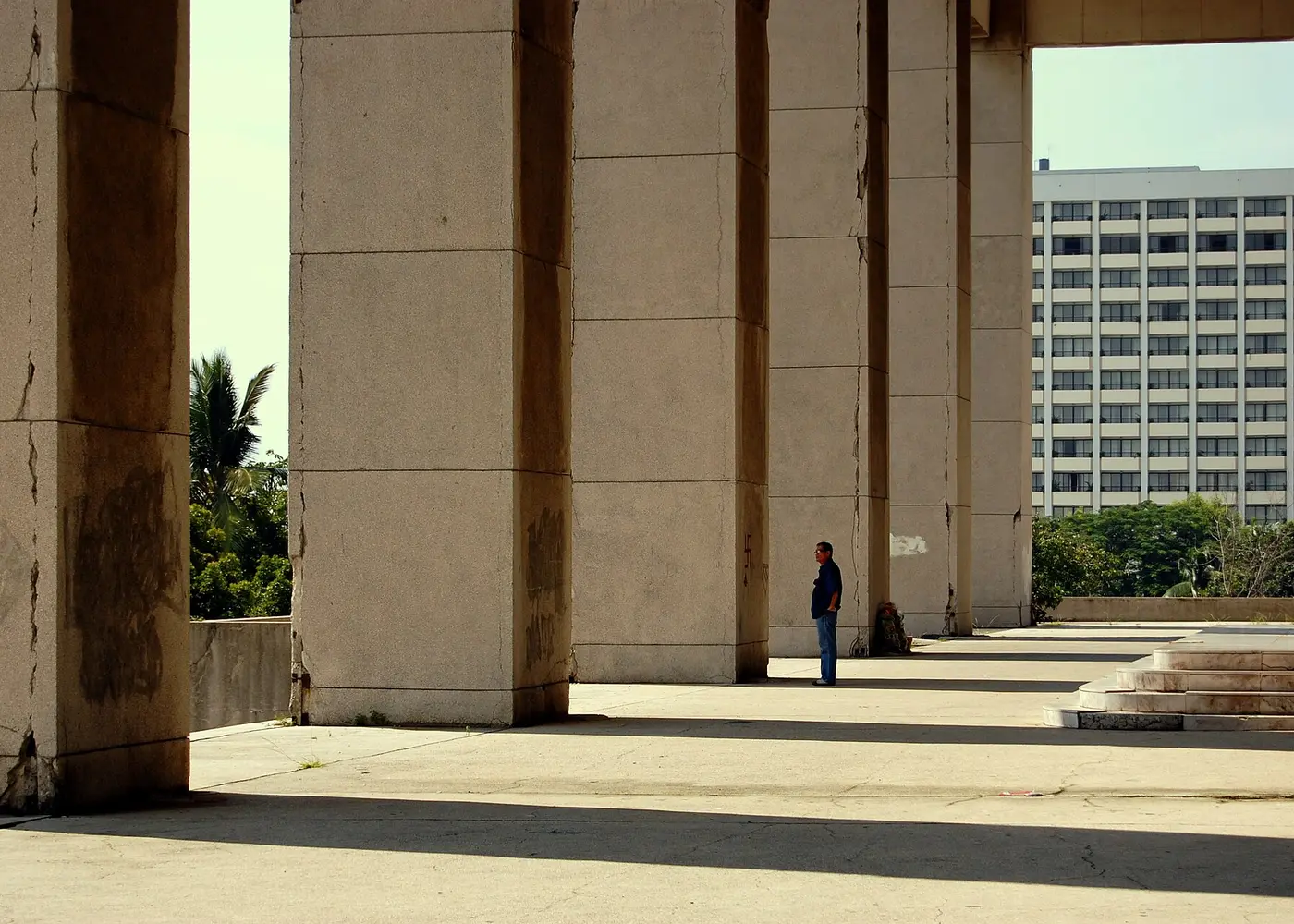
November 17, 1981, is the date to begin with at the Manila Film Center. A construction collapse killed workers while the building was being completed ahead of the first Manila International Film Festival in January 1982. The accident is the factual foundation beneath decades of ghost stories.
The familiar retelling adds workers permanently entombed in concrete and voices heard inside the building. Manila Bulletin Research documented accounts of unexplained sounds alongside sharply different reports about the casualties. Its interviews also included people who had worked at the venue for years without reporting a supernatural encounter.
The death toll and the entombment claim require particular care. Former Cultural Center of the Philippines president Baltazar Endriga published an account describing seven construction workers’ deaths, a figure that differs substantially from those in widely circulated retellings. Those conflicting accounts prevent a responsible account from presenting the largest circulating figures as settled fact.
The building’s haunted reputation has become inseparable from the way the accident is remembered. Keeping the uncertainties visible gives the workers’ deaths more weight than repeating the most sensational version.
Robinsons Galleria, Quezon City: The Fitting-Room Story That Became an Ad
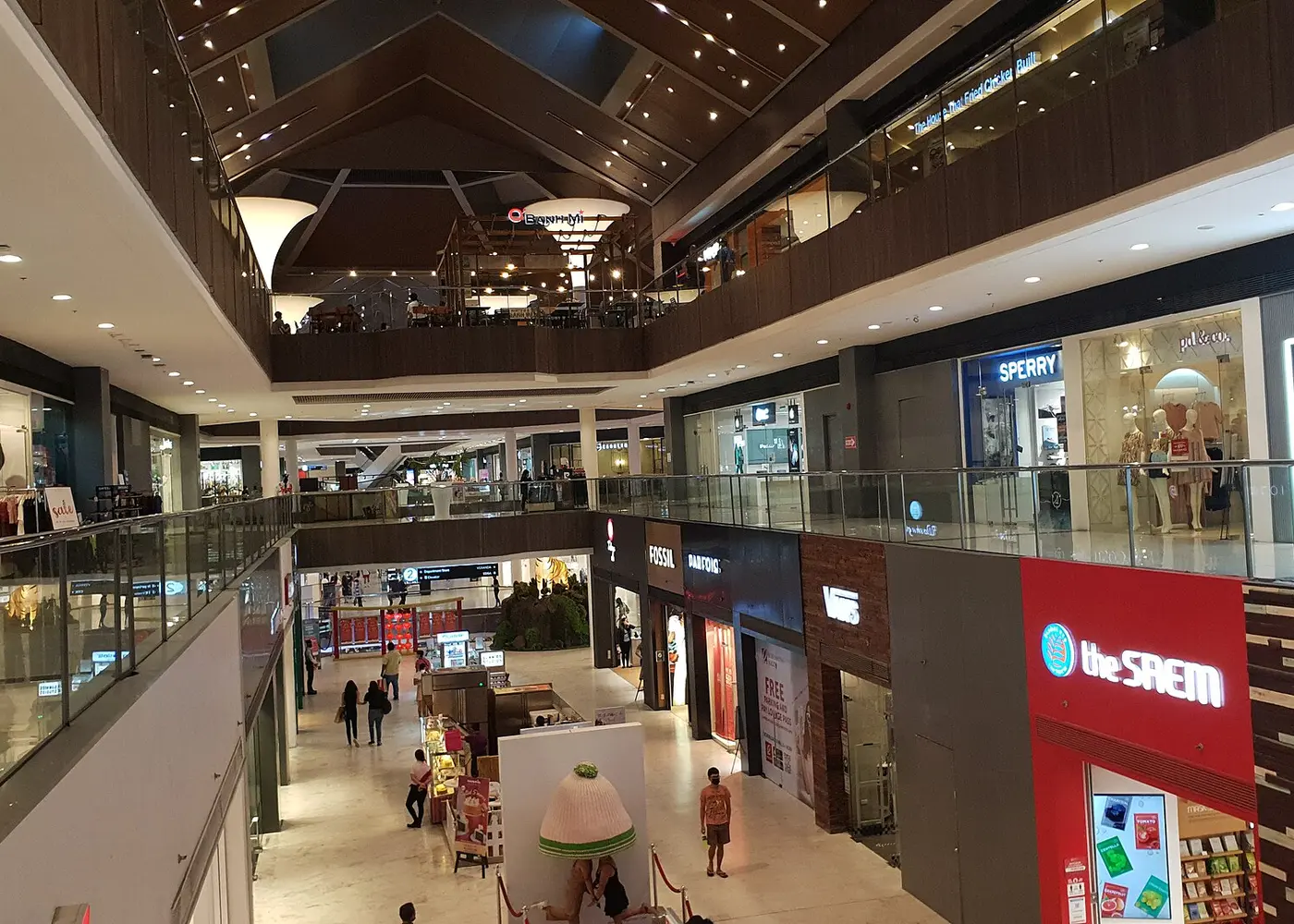
By 2018, Robinsons Galleria had found an unexpected use for the creature supposedly living inside it: a commercial.
The taong ahas legend alleges that actress Alice Dixson encountered a snake-like creature in a department-store fitting room in the early 1990s. The encounter remains an unsubstantiated rumor. Robinsons and Dixson addressed it through “Alice in Galleria Land,” a Halloween video that played with the familiar setup before revealing a child in a costume as the source of the suspense. JG Summit’s own account described the campaign as putting the rumor to rest.
That response makes this entry distinctive. A commercial shopping space absorbed its urban legend into its advertising, with the actress named in the story returning to play along with the audience’s expectations.
The real location is Robinsons Galleria at EDSA and Ortigas Avenue in Quezon City. Its ordinary mall interiors are part of what makes the legend memorable: the supposed encounter takes place in a fitting room, a space shoppers normally enter without a second thought.