
Why Filipino Gatherings Always End With Takeout Containers
The meal is finished. The farewell is underway. Then someone finds a container, and hospitality begins its final round.
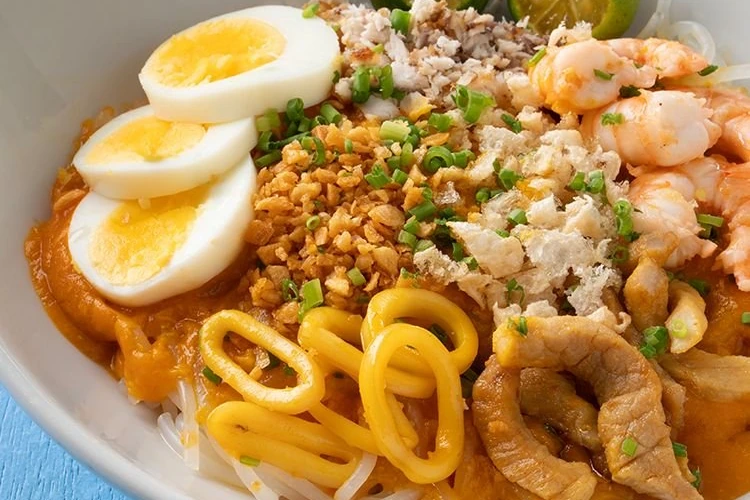
The meal is over, but the kitchen has one more task. Someone is looking for a lid. Someone else is deciding which container will survive the journey. A guest has already said goodbye twice and is now standing by the door with a carefully wrapped plate.
At plenty of Filipino gatherings, the food leaves with the people. A portion of pancit becomes tomorrow’s lunch. A slice of cake is set aside for someone who could not come. The invitation continues for another meal, in another home.
A farewell you can carry
Pabalot makes care tangible. A host may not be able to extend the evening, but a little food can extend the pleasure of it. There is a quiet satisfaction in opening the refrigerator the next day and finding a reminder of a good gathering.
The exchange can be wonderfully specific. A favorite dish is saved. A portion is packed separately. A guest is told to take something for the person waiting at home. These small decisions give the food a destination and the gesture a particular recipient.
The container becomes part of the practical choreography. It needs the right size, a lid that fits and enough room in the bag. The final minutes of a party can involve more discussion about packaging than the earlier conversation about what everyone wanted to eat.
Generosity is part of the meal
Writing about the Philippine fiesta, the National Commission for Culture and the Arts places communal celebration and abundant food alongside a sense of shared identity. That broader setting helps explain why a meal can mean more than the time spent sitting at a table.
A study of food-taking practices at gatherings in Catanduanes similarly connects the local practice of pagsa-Sharon with hospitality, resourcefulness and community ties. Food sharing appears as part of the relationships built through those gatherings.
The gesture can hold several meanings at once. It can be a thank-you for coming, a way to share with someone absent or a practical response to a table that still has plenty on it. The portion itself may be modest. The attention behind it is what makes it memorable.
The etiquette is in the timing
There is a difference between accepting an offer and treating the serving table as a packing station while other guests are still eating. Let the host lead. Wait until everyone has had a chance to enjoy the meal, then take a sensible amount of what is offered.
If you are hosting, make the offer clear. Set aside the food you want to send home and provide containers that close properly. A named portion for an absent family member is easier to pass along than a vague instruction to take whatever is left.
If the container belongs to the host, remember it. Return it clean, or agree that it was intended to go with the food. Small courtesies keep an affectionate ritual from becoming another household chore.
Tomorrow’s lunch has a story
The best part may arrive after the gathering. The house is quiet. The celebration has become a few photographs and messages of thanks. Then the refrigerator opens, and there is still something from the night before.
A reheated serving cannot reproduce the whole evening. It can bring back a detail: the person who cooked it, the joke made at the table, the care taken to pack an extra piece. The goodbye was real. So was the little bit of hospitality that followed you home.