
The Filipino Mall Was Our First Social Network
Before the group chat had a location pin, there was a familiar entrance, a food court table and someone asking which floor you were on.
Before the location pin, there was the entrance everyone knew. Before the group chat could tell you who had arrived, there was a person waiting by the escalator, scanning the crowd and rehearsing how annoyed they would look when the late friend finally appeared.
For many Filipinos, the mall became part of learning how to be out in the world. You could go with family, meet a school friend, watch a film or stretch a small budget across an entire afternoon. The familiar layout made it possible to feel independent while still having an obvious place to be found.
The meeting place came before the plan
An invitation to the mall could be complete without a detailed itinerary. You would meet first and decide later. The food court gave a group somewhere to begin, with each person free to choose something different and still return to the same table.
That flexibility is part of the memory. A successful afternoon did not depend on everyone wanting the same meal, shopping in the same store or staying for the same amount of time. There was enough going on to let a loose plan hold together.
The mall also supplied recognizable landmarks. A cinema lobby, a fountain or a particular shop became shorthand between friends. Directions were less about coordinates than shared experience. You knew what someone meant because you had been there together before.
A family routine with room for detours
The same place could serve several generations at once. One person needed groceries. Another wanted a book. Someone would suggest a haircut, and the outing somehow grew long enough to include dinner.
SM’s account of its early North EDSA tenants records businesses ranging from salons and bookstores to food outlets and clothing shops. Its first mall opened in 1985. Those varied services help explain how a shopping trip could become a larger family routine.
The details that stay with you are often smaller than a development timeline. The chair outside a fitting room. The snack bought after an errand. The bookshop where you could take your time while someone else finished shopping. Repetition gave ordinary places a private significance.
A public feeling inside a private place
The mall’s convenience also deserves a closer look. It is a privately managed commercial environment, with rules, security checks and a business model built around spending. The ease of gathering there sits alongside those limits.
That tension is part of the story. You can value the role a place has played in your life and still want more comfortable parks, libraries and genuinely public spaces. A food court table can carry a hundred good memories without having to carry every need a city has for somewhere to meet.
The old meeting point keeps adapting
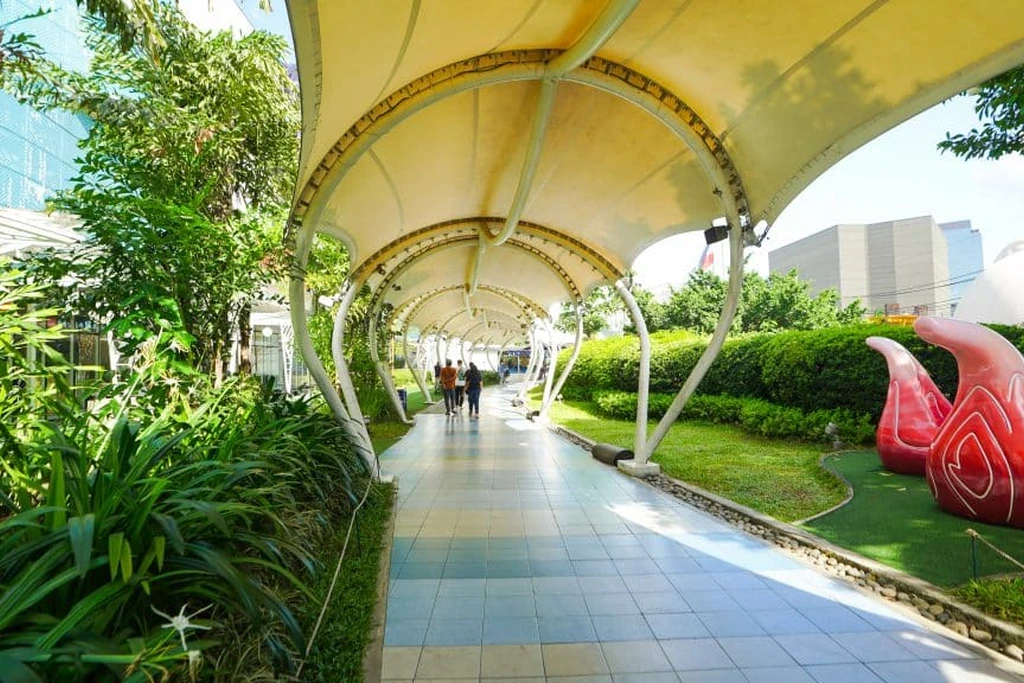
Newer gathering spaces add another layer to those routines. At North EDSA, the Sky Garden has covered walks, planting and places to pause outside the shops. You can make a familiar mall visit feel different simply by choosing another place to sit.
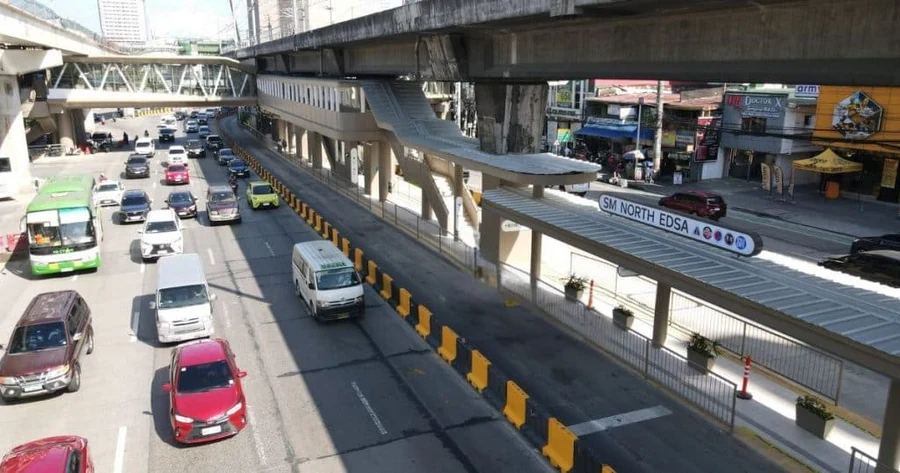
The connection between malls and daily movement continues, too. SM Prime’s transport update records the opening of the North EDSA Busway Concourse in March 2025, linking the mall with the busway station through covered pedestrian facilities.
The setting changes, and so do the ways people arrange to see one another. Yet the familiar question remains: where should we meet?
For a generation of mall afternoons, the answer required very little explanation. The entrance. The escalator. The same table, if it was free.