
What Is Unagi? A Guide to Japanese Eel and How to Order It
Kabayaki, shirayaki, unadon and hitsumabushi: a guide to the eel dishes on a Japanese menu and how to choose your first order.
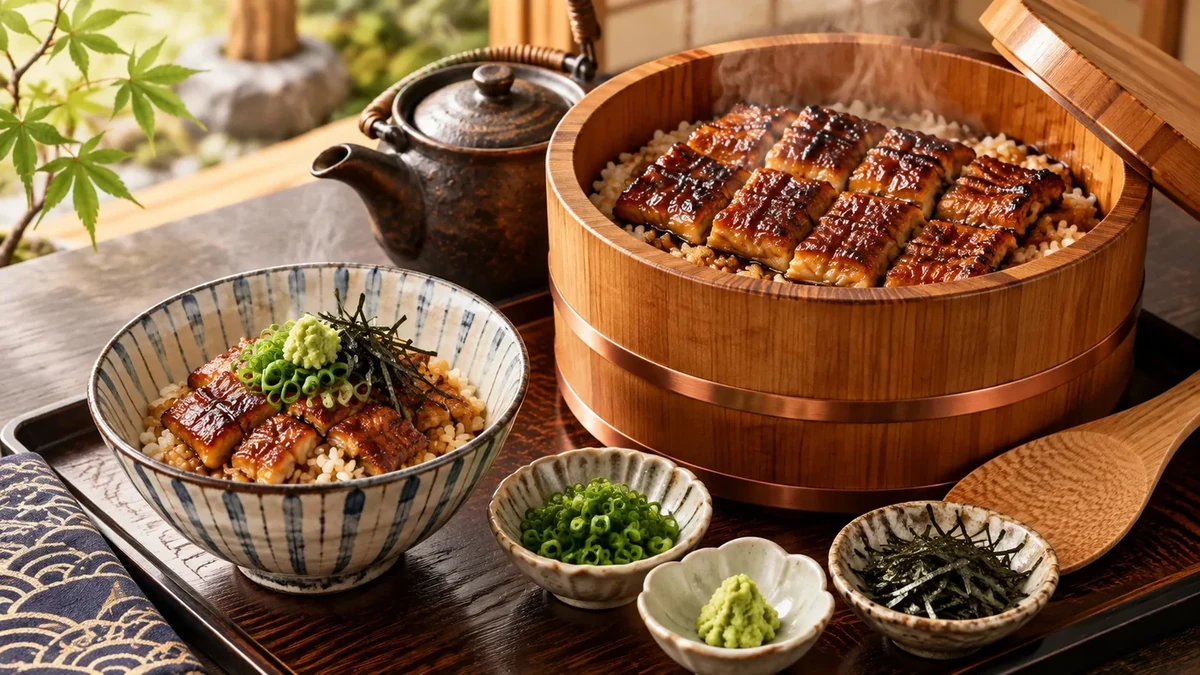
Ross Geller may have called it a state of total awareness. On a Japanese menu, unagi means eel. Knowing what comes after that is where this guide helps.
The glossy fillet over rice is familiar enough. But an eel specialist’s menu offers more choices than that image suggests. Some preparations arrive lacquered in sauce. Others leave the eel largely unadorned. One meal might invite you to change its flavor several times before the bowl is empty.
First, meet the eel
Unagi commonly refers to freshwater eel in Japanese cooking. It is different from anago, the saltwater conger eel also served at Japanese restaurants.
“Freshwater” is useful shorthand, though it does not tell the whole story. Japanese eels begin life at sea and return to the ocean to reproduce. They can grow in rivers, brackish water and coastal habitats, as UNAGI JAPAN explains in its guide to unagi and anago.
The name also does not establish where the eel was raised. If you want to know its origin, look for a description on the menu or ask the restaurant.
That glossy finish is kabayaki
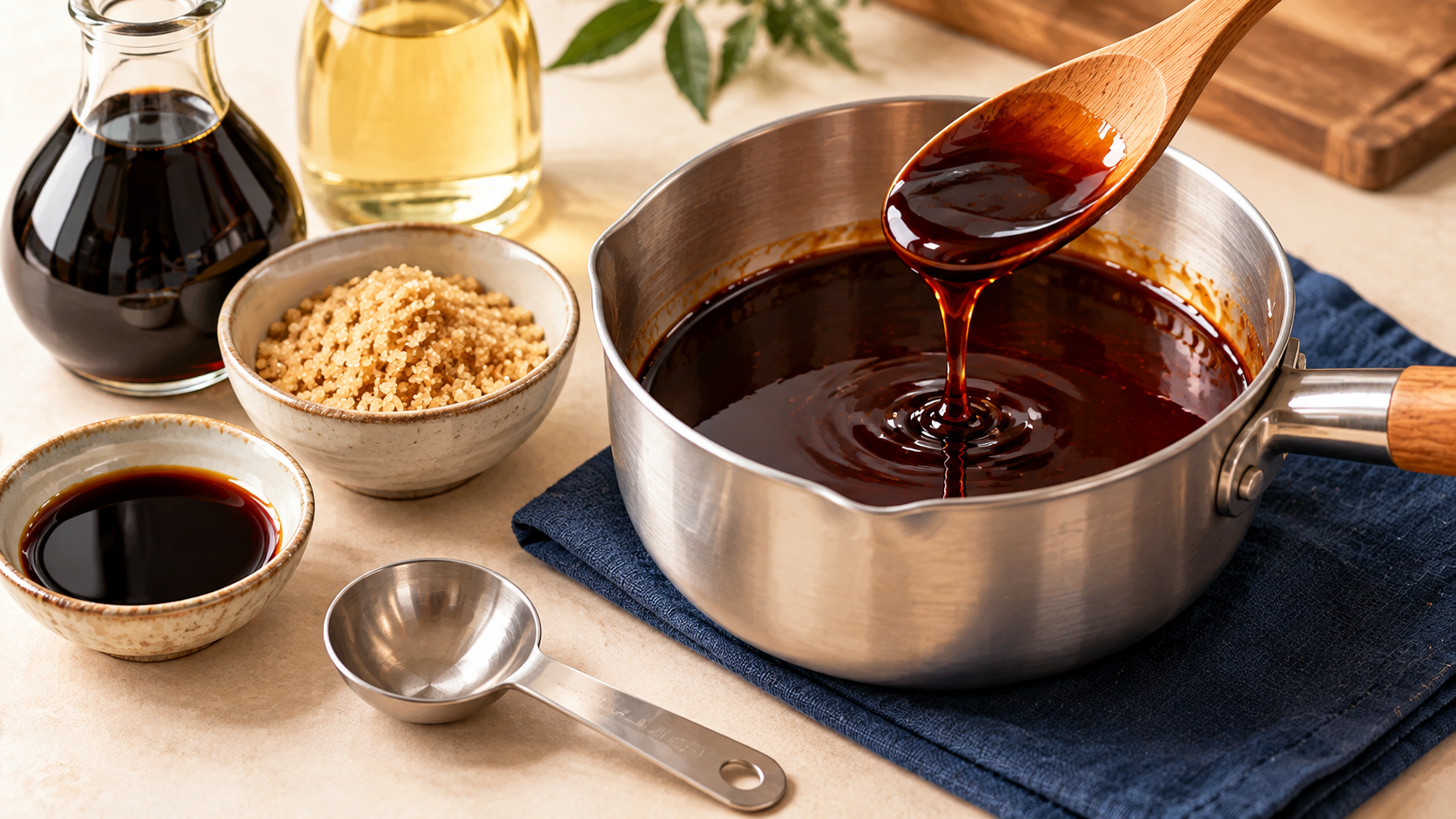
The preparation many diners recognize is kabayaki: eel that has been split, skewered and grilled with a sweet-savory sauce. The glaze gives it its sheen and seasons the rice underneath when the two are served together.
You can also order kabayaki without rice, depending on the restaurant. It names a preparation rather than a complete meal.
For a different introduction, look for shirayaki. The eel is grilled without the kabayaki glaze and is commonly served with wasabi and soy sauce. With less seasoning already applied, the flavor of the eel takes a more prominent place.
Neither is the more correct order. Choose according to what you want to eat: the combination of glaze and rice, or a simpler preparation you can season as you go.
Bowl or box?
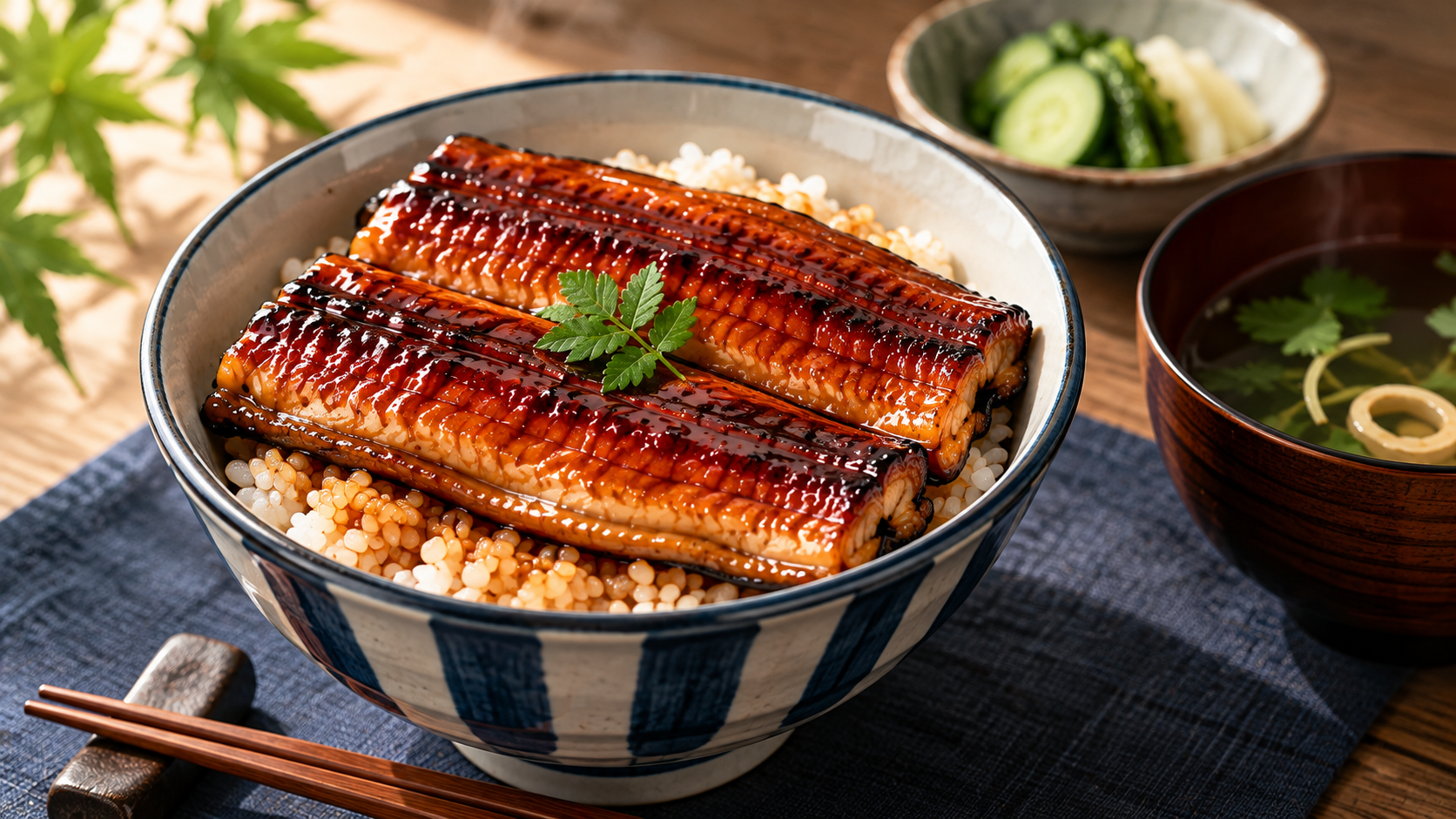
Order unadon and your eel rice comes in a bowl. Unaju is served in a jubako box. Both usually combine rice with kabayaki.
The distinction sounds straightforward until a menu puts several prices beneath each name. A more expensive box may contain more eel, different cuts or additional accompaniments. It does not follow that every unaju is larger or uses better eel than every unadon.
UNAGI JAPAN’s comparison makes a useful point: read the restaurant’s description alongside the dish name. The vessel tells you how the meal is presented. The menu should tell you what you are paying for.
The same approach helps with “regular,” “premium” and “special” tiers. Ask what changes between them, including the eel portion, rice, soup and pickles.
Hitsumabushi rewards a little curiosity
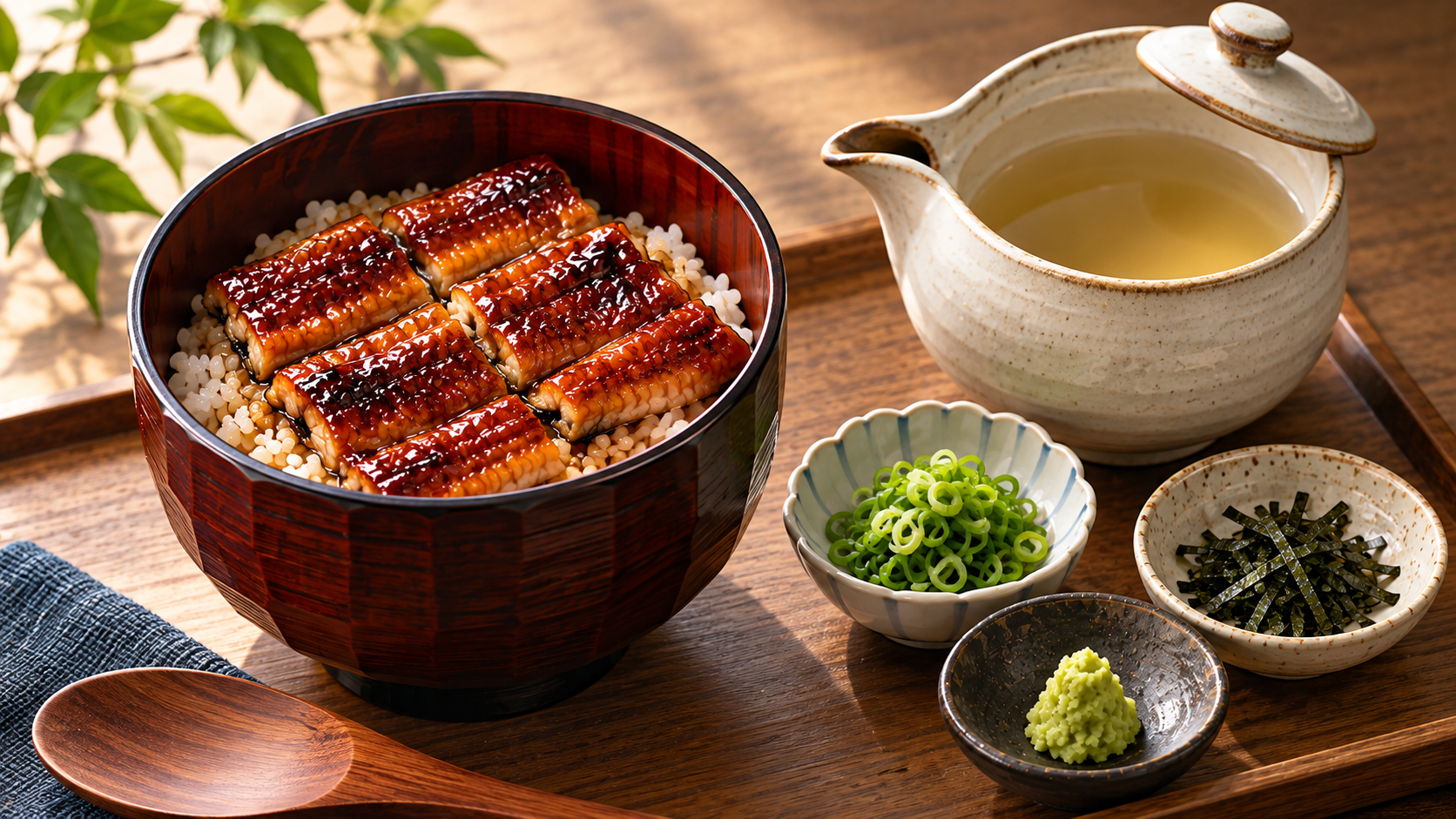
Associated with Nagoya, hitsumabushi serves chopped grilled eel over rice, accompanied by condiments and a pouring liquid, often broth or tea. The pleasure is in tasting the same meal in several ways.
A common approach is to divide the eel and rice into four roughly equal portions. Transfer the first to the smaller bowl and taste it as served. For the next, add some of the supplied spring onion, nori or wasabi. Try the third with the designated broth or tea poured over it.
The remaining portion is yours to revisit whichever version you liked best. Four portions, three approaches, with room to return to a favorite.
Keep the additions in your smaller bowl rather than pouring everything over the entire serving. And if there is a separate soup alongside the meal, check which liquid is intended for the rice. They are not necessarily interchangeable, a distinction highlighted in UNAGI JAPAN’s hitsumabushi guide.
Follow the restaurant’s own instructions when supplied. The sequence is there to help you explore the dish, not turn lunch into an etiquette test.
The texture has a backstory
Two restaurants can serve kabayaki with noticeably different textures. Part of the explanation may be what happens between the grill and the glaze.
Traditional Kanto-style preparation typically involves opening the eel along the back, grilling it without sauce, steaming it, then glazing and grilling it again. The steaming stage contributes to a softer mouthfeel.
In traditional Kansai-style preparation, the eel is generally opened along the belly and grilled without that intervening steaming stage. Browning and skin texture become more pronounced, while the flesh can still be tender.
These are broad traditions rather than fixed rules for every restaurant. UNAGI JAPAN’s regional guide also separates direct grilling from charcoal grilling. Charcoal describes the heat source; an eel can be steamed and still finished over charcoal.
If you have a preference, ask about the cooking method. “Is it steamed during preparation?” tells you more than trying to judge the technique from grill marks.
And what about anago?
Anago is a different fish, commonly encountered as simmered conger eel, tempura or a sushi topping. It can also be grilled with sauce.
That makes appearance an unreliable shortcut. A long, glossy fillet is not enough to identify the fish, and anago should not simply be treated as a cheaper version of unagi. Read the ingredient description and consider the preparation on its own terms.
Your first order
Kabayaki over rice is an approachable starting point if the glazed eel is what drew you to the menu. Choose the portion that suits your appetite and check whether soup and pickles are included.
If you enjoy adjusting a dish as you eat, try hitsumabushi. If you are curious about the eel beneath the glaze, consider shirayaki.
You do not need to master every term before sitting down. Knowing the cooking method, the portion and what comes alongside it is enough to make a thoughtful first choice.
For more on eel, Japanese cooking traditions and regional preparations, visit UNAGI JAPAN.
Images: Generated editorial illustrations sourced from UNAGI JAPAN.